
Hanes
Hanes Originals Comfywear Sleep Shorts 2-Pack
This is the standard Originals Comfywear two-pack, kept distinct from the separately named Supersoft 3.25-inch model.
Check on AmazonThe details / Sleepwear guidance
Make the thoughtful part the choice, not the size guess.
Sleep shorts make a better gift when the recipient can actually wear them in the way they like. Confirming a few preferences or an approved reference pair often preserves plenty of surprise while removing the least useful guess: body size.
As an Amazon Associate I earn from qualifying purchases.
This is the standard Originals Comfywear two-pack, kept distinct from the separately named Supersoft 3.25-inch model.
Check on Amazon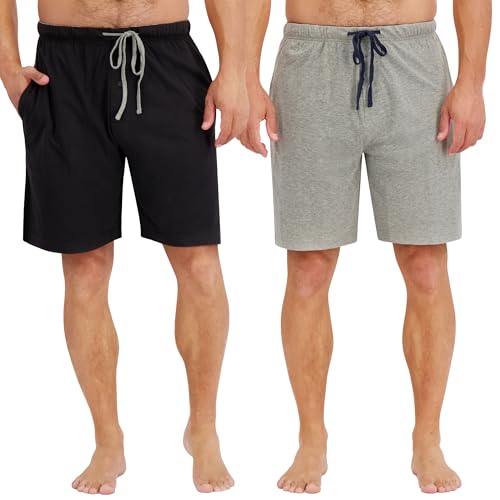
The listed 7.5-inch inseam makes these easier to compare for coverage than shorts described only as loose or lightweight.
Check on AmazonA gift can be thoughtful even when the recipient helps with size. Decide whether the surprise is the exact print, the coordinated top, the occasion or the entire purchase. You may be able to confirm fit and care preferences while keeping the color or presentation unexpected. Separating those decisions reduces the pressure to guess information the recipient could easily supply.
A straightforward question can be enough: “Would you enjoy some new sleep shorts, and is there a pair you would like me to use as a reference?” That asks about interest as well as size. Some people prefer pajama pants, a nightshirt or their existing shorts, so the useful first answer may be that a different gift would be more welcome.
Avoid treating a label size as an intimate fact you must discover secretly. Do not borrow clothing without agreement or infer measurements from photographs. A recipient-approved garment, a shared product link or a direct size preference provides better information and leaves the recipient in control of what they share.
The most direct route is an exact item the recipient has selected, including the current size and variant. Confirm whether they want the same garment again or a replacement with one change. A link to a familiar range may still contain several cuts, so keep the actual model or product identity with the size.
A second route is an approved reference pair. Ask what they like about it before using it as a guide. It may fit well at the hip but have a waistband they dislike, or the recipient may want the same length with more room. The garment is evidence of a preference only where they say it works. Do not faithfully reproduce a problem they hoped the gift would solve.
The third route is to leave the fit choice open. That could mean choosing together, giving a gift credit through a suitable seller or presenting a short list with the offer to buy the recipient’s selection. The practical gift is then the purchase and your attention to their preferences, not an unchangeable size guess.
| What the recipient can share | Best next step | Assumption to avoid |
|---|---|---|
| An exact preferred item and size | Confirm the selected color and current model | That every item in the same brand fits alike |
| A reference pair they like | Ask which fit details to preserve | That all dimensions should be copied blindly |
| Only a general size label | Use the candidate’s own chart together | That letters convert universally between brands |
| No size information | Leave the fit decision open | Guessing from appearance or another person |
| Different top and bottom preferences | Consider separates or a flexible choice | That a fixed-size set will fit both pieces |
If the recipient agrees to a garment comparison, begin with the details they notice: where the waistband sits, how much thigh room they like and where the hem falls. These descriptions can direct the shortlist before any measurements are needed. Someone may say “these are ideal except for the short leg,” which is already enough to rule out an identical-length replacement.
Where measurements are useful, make clear whether the seller’s chart gives body dimensions or finished-garment measurements. A flat waistband width is not automatically the body-waist value on a chart. Likewise, a garment’s front rise should not be compared with a measurement that runs all the way through the crotch. If the information is not comparable, do not force a conversion.
Use the reference garment’s current condition honestly. A long-worn pair may have changed shape, and a size label may belong to a discontinued cut. The recipient may still love how it fits now, but buying the same letter in a new model does not reproduce that shape. Their description of the preferred fit remains valuable even when the old size label is not a reliable shortcut.
Color is easy to personalize, but routine details often determine whether sleepwear gets worn. Ask whether the recipient likes pockets, a visible drawstring, an exposed waistband or a particular leg length. These are ordinary product preferences, not a reason to interrogate them about their body. Two or three specific questions can eliminate most unsuitable choices.
Care deserves the same attention. If the recipient likes clothing that joins a familiar laundry routine, a garment requiring a separate process may create an unwanted task. You can ask whether they prefer easy-care pajamas without promising that a whole fiber category shares one washing method. The chosen item’s label controls the actual routine.
A matching set is useful only when both pieces suit the recipient. If they prefer different top and bottom sizes or already have a favorite sleep shirt, separates may be the more considerate choice. A shorts-only gift is complete when that is what they want; adding a top solely to make the package look larger can introduce another fit problem.
Let the recipient make the final size selection on a candidate such as the Hanes Women’s Originals sleep shorts. They can send back the precise size and color option from the Amazon selection, leaving the gift wrapping or occasion as the surprise. If they prefer another cut, browse the sleepwear collections together before ordering.
Imagine the recipient has mentioned that their favorite pajama shorts lack pockets. You know the color family they like but not the size. Start with the confirmed feature: pockets are wanted. Ask whether they would enjoy a replacement and whether the existing pair is a useful reference. They may tell you that the length is ideal but the waistband is too firm.
Your shortlist now needs pockets, a comparable preferred length and a waistband design they want to try. It does not need to reproduce the old pair’s size label unquestioningly. Show two plausible options and let the recipient identify the size using the chosen seller’s information. You can keep the final color selection as the surprise if they have already approved a range.
Suppose the pair you like most comes only in a fixed-size top-and-shorts set, and the recipient normally chooses different sizes for those pieces. The more thoughtful decision may be shorts alone or another option, even if the set looks more gift-like. The package should serve the recipient’s everyday use rather than the giver’s idea of what a complete present looks like.
If the occasion arrives before fit can be confirmed, present the choice as part of the gift instead of buying a speculative size under deadline pressure. A clear note about selecting the pair together can be more enjoyable than opening something that immediately creates an exchange chore.
Read the conditions for the exact seller and offer. Establish the relevant deadline, whether a gift receipt is available and how the recipient would make an exchange or return. Do not assume a general store policy covers every marketplace seller or every selected variant. The useful plan is one you can explain simply when giving the gift.
Leave original tags and packaging in the condition required for a permitted try-on and return. Do not prewash the shorts to make them feel gift-ready, because that changes the item before the recipient can decide about fit. Presentation can be thoughtful without removing the information they need to evaluate the garment.
Make any exchange easy to request. Say that you chose the style with them in mind and are happy to help change the size or item if needed. Avoid asking them to wear the shorts first to prove whether they work. A brief try-on and their own preference are enough to decide whether the gift should be kept.
A print connected to a shared memory, a color they already enjoy or a top that coordinates with something they chose can make the gift feel personal. Those touches work best after the practical requirements are settled. You can also include a small note describing why you thought they would enjoy the selected feature, such as the pockets they had mentioned.
The recipient’s willingness to use the gift is the useful outcome. If they would rather choose the exact pair themselves, that does not diminish the thought behind offering it. The strongest gift decision respects both the information you have and the decisions that belong to the person who will wear the shorts.
Do not rely on appearance to choose size. Ask for an approved reference, a preferred product link or let the recipient choose the fit.
It is a starting clue, not a universal conversion. Confirm the actual model and use the selected item’s own chart, especially when moving between cuts or brands.
Keep the item in the condition required for an allowed try-on and exchange. Let the recipient decide about fit before care or other changes that could affect return eligibility.
Make the gift personal through the features and style the recipient enjoys. Confirm fit with their involvement and preserve an easy exchange, so the present arrives as useful sleepwear rather than a size guess.
As an Amazon Associate I earn from qualifying purchases.
This is the standard Originals Comfywear two-pack, kept distinct from the separately named Supersoft 3.25-inch model.
Check on AmazonThe listed 7.5-inch inseam makes these easier to compare for coverage than shorts described only as loose or lightweight.
Check on AmazonThe details
A coordinated set works best when both pieces fit the same purchase decision.
The details
Before finding your row, find out what the chart is actually measuring.
The details
The best match is a combination that moves well together, even when the labels and prints differ.