The details
What to check before treating a stain on sleep shorts
A stain-removal decision starts with two labels and a clear description of the mark.
Sleep shorts collections
Start with a fabric, a silhouette or a detail you want to keep.
From cotton two-packs to shorter lounge fits.

Boxer cuts, relaxed knits and longer Bermuda styles.

Cotton-listed options in knits, woven shorts and sets.
Coordinated tops and shorts, with fit details to compare.
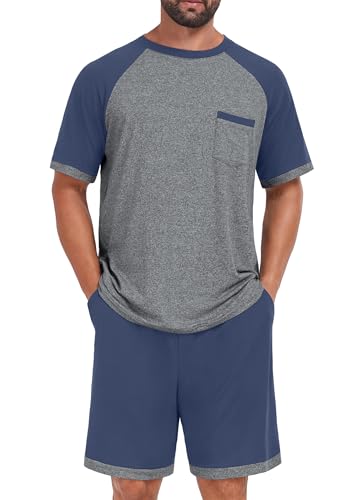
Compare explicitly modal-listed shorts and sets.

Shorts explicitly described as bamboo viscose or rayon.

Smooth-finish shorts and sets; fiber content varies.

Silk-specific listings, separated from satin-only descriptions.

Short hems with a flannel fabric construction.

More leg coverage without choosing full pajama pants.
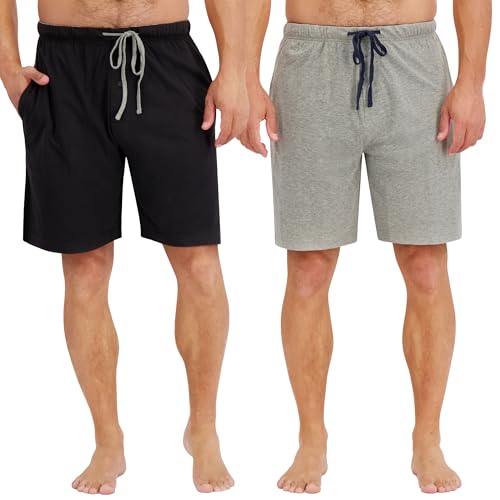
Listings with an explicit plus-size or extended-size designation.

Options whose listings explicitly mention pockets.
Build a rotation with bundled short bottoms.
Jersey, rib and other explicitly knit-listed styles.

Poplin, seersucker, flannel and woven-listed alternatives.
The details
A stain-removal decision starts with two labels and a clear description of the mark.
The details
Choose the drying method from the whole garment’s instructions, then make that method practical at home.
The details
A calm first inspection helps distinguish a wrong item, an observable defect, and a fit preference.
The details
When a product page disagrees with itself, preserve the exact offer and isolate the field that matters.
The details
Turn “runs small” into a precise fit question you can answer with measurements.
The details
A waistband-first fold designed around finding and removing a pair, not packing the drawer as tightly as possible.
The details
Replacement is a function decision, not a birthday assigned to every garment.
The details
Look at where material is changing before deciding what kind of wear you have.
The details
Trace the movement before tightening the waistband.
The details
Look at where fabric pulls before deciding how much room to add.
The details
Department labels tell you where to browse; measurements tell you what to compare.
The details
Find out what holds the shorts up and what you can adjust.
The details
The small attachment points can matter more than the broad fabric panel.
The details
Compare the fabric in the light and tension it will actually encounter.
The details
Count the layers you wear, then find where each one is attached.
The details
Read the component, the fiber name and the percentage as one statement.
The details
Choose how much leg you want covered, then check what the extra fabric does when you move.
The details
A useful running feature can feel very different when it sits beneath your hip.
The details
An extra layer is an outfit choice. Start with what the shorts actually cover.
The details
Before finding your row, find out what the chart is actually measuring.
The details
Roomy legs do not guarantee a comfortable band. Isolate what is happening at the waist.
The details
A twisted strip inside a casing and a band folding over your waist are two different problems.
The details
First find out whether the garment moves around you or its shape has changed.
The details
Turn cooling language into specific, answerable questions.
The details
A packing plan built around usable laundry time.
The details
A private movement check before wearing pajamas around others.
The details
Make the thoughtful part the choice, not the size guess.
The details
Turn a row of symbols into one complete care instruction.
The details
A practical wash sequence from pockets to the drying handoff.
The details
Identify where the color changed before choosing what to do next.