Hanes
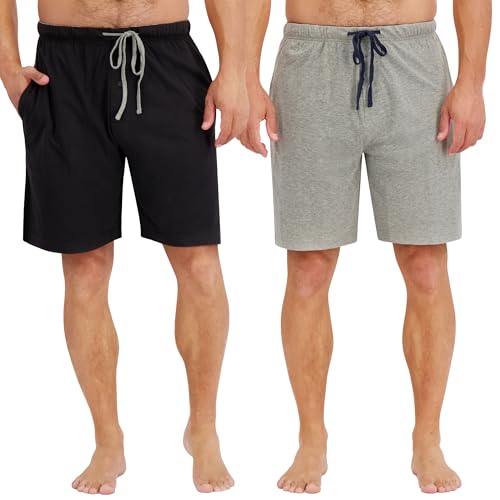
Hanes Cotton Pajama Shorts 2-Pack, 7.5 Inch
The listed 7.5-inch inseam makes these easier to compare for coverage than shorts described only as loose or lightweight.
Check on AmazonThe details / Sleepwear guidance
A stain-removal decision starts with two labels and a clear description of the mark.
A drop of coffee on a pale hem seems like a small problem until the proposed treatment conflicts with the shorts’ care label. The useful first question is not which household ingredient removes everything. It is which treatment, if any, fits both this mark and this finished garment.
This guide helps you gather the information that makes a stain-treatment instruction usable. It does not promise that every mark can be removed, or that a method suitable for one pair will suit another pair with a similar fabric name.
As an Amazon Associate I earn from qualifying purchases.
The listed 7.5-inch inseam makes these easier to compare for coverage than shorts described only as loose or lightweight.
Check on Amazon
Cotton and Bermuda styling identify this women's sleep short, selected in black and medium.
Check on AmazonPut the shorts where you can examine the mark without stretching the fabric. Note its location, approximate size, color, and whether it looks like a deposit on the surface or a change within the fabric. A phone photograph in ordinary light gives you a reference. Do not assume that every pale patch is something that can be washed out; apparent color loss and an added stain are different observations.
Write down the event if you know it: coffee spilled while sitting down, lotion on the hand that adjusted the waistband, or an unidentified mark discovered after laundry. Include whether the garment was already washed, dried, or treated. A professional cleaner or product-support adviser can use that history. “Brown spot, origin unknown, already tumble dried” is more informative than confidently calling it a food stain because of its color.
The garment label tells you the care constraints of the finished shorts. The cleaner label tells you how that product is intended to be used and which materials or finishes it excludes. A proposed method has to satisfy both. Permission on one side does not cancel a prohibition on the other.
The FTC’s care-label guidance explains that care information concerns the complete garment, including trims and fasteners. That is why the fabric percentage alone cannot settle the treatment. Cotton wording on a listing is not permission to use a particular bleach, and a satin appearance does not identify every component of the shorts.
If an instruction says to follow the garment’s washing directions afterward, make sure you can actually do that. A treatment that depends on a subsequent wash is not an obvious choice for a garment whose label prohibits washing. If the two directions do not fit together, pause and seek advice from the cleaner manufacturer or a garment-care professional. Substituting your own temperature, dilution, or contact time creates a different method from the one described.
| Information to collect | Why it changes the decision | A useful note |
|---|---|---|
| Garment’s complete care directions | Defines which follow-up care is permitted | Photograph every side of the care label |
| Likely staining substance | Helps locate relevant product guidance | Coffee with milk, rather than simply brown |
| Prints, trim, and nearby seams | Expands the components exposed to treatment | Spot overlaps pale piping and dark body fabric |
| Previous attempts | Prevents an adviser from assuming untreated fabric | Washed once; no other cleaner used |
| Cleaner’s exclusions and test directions | Determines whether this product is a candidate | Copy the exact restriction that creates uncertainty |
A search for “pajama stain remover” can combine advice for unrelated substances and fabrics. Start instead with the likely stain and a cleaner manufacturer’s relevant instructions. Tide’s stain-removal guide, for example, organizes advice by stain type. Its existence is useful as a way to find substance-specific directions, not as evidence that every Tide method or product is suitable for every pair of sleep shorts.
When the mark’s origin is unknown, keep that uncertainty in the question you ask. You can describe the appearance and history without improvising a chemical diagnosis. The most useful next step may be sending the photographs and label information to product support. For a valued garment or an area with several contrasting components, professional assessment can be more sensible than successive guesses.
Follow the selected product’s own testing instructions, including how to assess the test area afterward. A concealed seam allowance may be a possible location only if it represents the material you intend to treat and the instructions allow it. Testing plain body fabric does not automatically test a printed logo or decorative trim beside the actual mark.
Think of the test as a limited observation. It may reveal an immediate unwanted change in that small area. It cannot guarantee complete stain removal or prove that every part of a multicolored garment will behave identically. If you cannot find an appropriate hidden test location, ask for guidance rather than treating an obvious area as an experiment.
Imagine cream-colored sleep shorts with dark piping. A coffee spill crosses both surfaces. The wearer knows milk was in the drink and has not yet treated the garment. Those details provide a useful starting record; the fact that the shorts are described as cotton does not select the treatment.
First, photograph the mark and label. Tide’s coffee-stain instructions specify its OXI Boost PODS product, the pack’s dosing directions, and washing within the garment label’s limits. They also say to assess the stain and repeat the instructed wash if needed before drying. That is a concrete product-specific route to evaluate, rather than a recipe for every cleaner. If you have another product, use that product’s applicable instructions instead.
Next compare the proposed product with the shorts’ bleaching restrictions and the trim involved. If the product or garment instructions exclude the combination, this route is ruled out for the example pair. If compatibility is established, follow the actual product instructions and inspect before drying. For a method involving localized treatment, follow its discreet-test directions on the relevant materials first. The useful outcome is a decision about an identified method, not a promise that coffee always disappears.
Suppose instead that the same mark was discovered after a dryer cycle and nobody remembers the spill. The record changes to an unknown mark with prior washing and drying. You should not reuse the first scenario’s assumption that it is fresh coffee. The diagnostic is valuable precisely because it changes your next question when the evidence changes.
A remaining stain does not automatically make shorts unusable. First decide whether you can accept a cosmetic mark after appropriate care. If the fabric or a necessary feature is damaged and you do need a replacement, carry the useful information from this experience into the next choice: the color combination you want, the areas where you tend to spill, and whether you would willingly repeat the garment’s care requirements.
The Hanes men’s 7.5-inch two-pack in Heather Grey/Black provides a listed two-color choice with drawstring and pockets. The Latuza women’s Cotton Bermuda shorts in Black is another color-and-coverage candidate for a different wearer; confirm its pack quantity. Neither color is a stain-removal solution. Compare those actual format and color choices in the selected Hanes offer on Amazon or the sleep-shorts collections only if replacement is needed; request the exact care instructions before choosing a new routine.
After the permitted treatment and its required follow-up care, examine the area in similar light to your original photograph. Look for the original mark, a larger outline, color change, or a change around the seam or trim. Record what you see without treating disappearance in one lighting condition as proof of a complete result.
Before machine drying, make a deliberate decision about whether treatment is finished. Tide’s general stain guide advises checking for a remaining stain before drying because drying can set it. If the mark remains and you are considering another attempt, consult the relevant product guidance first. Do not treat extra heat or repeated applications as automatic ways to improve the result.
Avoid stacking several unrelated remedies just because the first result was disappointing. That makes the treatment history harder to describe and can take you outside the instructions you originally followed. A useful stopping point is any new change to the fabric or uncertainty about what the next product would contact. Keep the label photograph and concise record ready for advice.
Decide what you need from the garment after care. A faint mark inside the hem may matter less than a changed waistband or damaged decorative edge. You can choose to accept a cosmetic imperfection rather than escalate treatment. That is a preference decision, not a statement that the mark has been removed.
If the shorts have a broader loss of function, use the separate replacement-signs guide. If the immediate uncertainty is the next drying method, go to the dryer and natural-drying decision. Keeping these decisions separate prevents a stain question from becoming a guessed washing routine.
No. The finished garments can differ in dyes, prints, trims, and care restrictions. Compare the exact pair’s care label with the selected cleaner’s directions before deciding.
Record its appearance, location, and treatment history, then seek guidance that acknowledges an unknown substance. Do not choose a specific stain method solely because the mark resembles a familiar spill.
No. A test gives limited information about that location and method. It does not guarantee removal, nor does a test on body fabric necessarily cover a different trim or print.
Choose a treatment only when the garment instructions, cleaner directions, and known stain history fit together. Inspect the outcome before escalating. Accepting a cosmetic mark or obtaining professional advice can be a better endpoint than a series of unsupported experiments.
As an Amazon Associate I earn from qualifying purchases.
The listed 7.5-inch inseam makes these easier to compare for coverage than shorts described only as loose or lightweight.
Check on AmazonCotton and Bermuda styling identify this women's sleep short, selected in black and medium.
Check on AmazonThe details
Choose the drying method from the whole garment’s instructions, then make that method practical at home.
The details
Identify where the color changed before choosing what to do next.
The details
Replacement is a function decision, not a birthday assigned to every garment.