Hanes
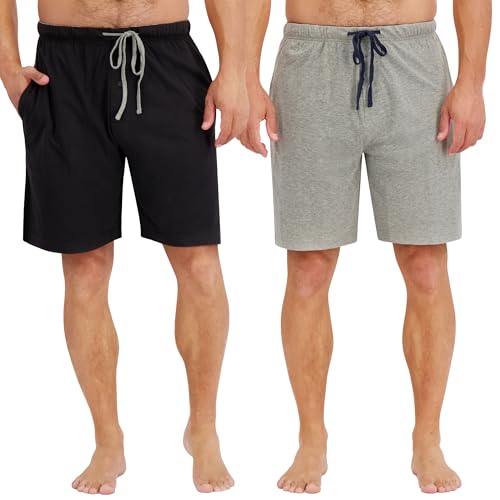
Hanes Cotton Pajama Shorts 2-Pack, 7.5 Inch
The listed 7.5-inch inseam makes these easier to compare for coverage than shorts described only as loose or lightweight.
Check on AmazonThe details / Sleepwear guidance
A calm first inspection helps distinguish a wrong item, an observable defect, and a fit preference.
Opening a parcel is your best opportunity to see the shorts in their received condition. Once packaging is discarded, tags are removed, or the garment is washed, it becomes harder to show which details were present on arrival.
You do not need textile-testing equipment to make this first inspection useful. A clear surface, good light, the order record, and a few careful observations are enough to identify questions worth raising. The aim is a defensible description of what arrived, not an invented quality score.
As an Amazon Associate I earn from qualifying purchases.
The listed 7.5-inch inseam makes these easier to compare for coverage than shorts described only as loose or lightweight.
Check on Amazon
This is the standard Originals Comfywear two-pack, kept distinct from the separately named Supersoft 3.25-inch model.
Check on AmazonStart with the order confirmation and selected product details. Match the brand, style, labeled size, color, and pack quantity. For a multipack, lay out every pair. Similar packaging can make it easy to miss a different labeled size inside the same bundle.
Photograph the packaging and relevant garment labels if something does not match. Include a wider image that shows which pair you are examining, followed by a close view of the mismatch. A close-up size tag with no garment context may be harder to connect to a specific item later, especially when several pairs look alike.
Make the first distinction early: a wrong item is different from a correctly supplied item you dislike. “Order says Large; received label says Medium” describes an identity discrepancy. “The correct Large feels roomier than I prefer” describes fit. Both can matter to your decision, but reporting them accurately helps the seller understand the issue.
Keep tags attached and avoid washing while you are deciding whether to raise an arrival concern. Check the actual seller’s return conditions for your order, including any requirements about condition and packaging. There is no universal return window or rule that this guide can promise for all marketplace offers.
Place the pair on a clear surface, arrange the waistband naturally, and make sure neither leg is folded underneath. Empty any packaging tucked inside. Smooth obvious folds with your hand without pulling the fabric taut. You want to inspect the garment’s resting arrangement, not create a temporary shape by stretching it.
Compare the two leg hems, side seams, and front opening where present. If one leg appears longer, rearrange the shorts and check again. A twisted waistband, uneven fold, or one pocket bag trapped under the fabric can create a misleading first impression. A repeatable difference after careful alignment is a more useful observation than a single hurried photograph.
You can use a tape measure to document a specific difference, but record how and where you measured. For example, state that you compared the two inseams along their seam paths while the shorts lay flat. Do not invent an acceptable manufacturing tolerance. Ask the seller or maker whether the observed difference is intended for that style.
Look along the waistband attachment, crotch seams, side seams, hems, and pocket attachments. You are checking for visible gaps, interrupted stitching, loose ends, or a seam that appears to open without being pulled. Turn the pair as needed so shadows do not hide the area you are trying to describe.
A loose thread end and an open seam are not the same finding. A thread tail may be a finishing detail; a gap where panels separate concerns the joint itself. Avoid cutting or pulling the thread to discover which it is. Photograph the area as received and ask about it if the function is uncertain.
Compare corresponding locations where that comparison is meaningful. If one pocket opening has a visibly different attachment from the other, describe the difference rather than calling the entire pair poorly made. Decorative asymmetry or intentional construction may explain some differences; the exact style information helps distinguish intention from a concern.
| Observation | What to record | What not to conclude from it alone |
|---|---|---|
| One hem appears lower | Recheck alignment; photograph both legs together | A precise defect tolerance has been exceeded |
| Loose thread at seam end | Location and whether the seam visibly separates | The whole seam will fail |
| Visible opening in a stitched joint | Wide view plus close-up without pulling | A repair is automatically simple |
| Pocket catches when used gently | Which pocket, where it catches, and visible cause if any | Every pair in the model has the same issue |
| Label differs from the order | Order detail and received label side by side | The entire brand uses inconsistent sizing |
If there is a functional drawstring, gently confirm that it is present at both ends and can be adjusted as intended. Do not pull an end deep into the channel or stretch the waistband to its maximum. A decorative bow should not be tested as though it were an adjustable cord.
For a functional fly or other opening, use the closure normally and inspect the surrounding stitching. Buttons on a garment may be decorative, so establish the intended design before interpreting a sewn-closed detail as a fault. If the listing promised a functional opening and the received item appears different, record that exact discrepancy.
Put an empty hand gently into each pocket to understand whether it opens and where the pocket bag sits. This is an arrival function check, not a load test. Do not fill pockets with heavy objects or pull at their attachments to prove strength. Note visible holes, twisted bags, or openings that seem obstructed, then compare with the product’s intended design.
If you ordered the Hanes men’s 7.5-inch pajama two-pack, count both pairs, match their labels to the selected order and locate the listed drawstring and pockets. Use the exact Hanes listing on Amazon alongside your order confirmation when documenting a mismatch. An order for the women’s Originals two-pack needs its own checklist from that offer’s details. Once an unsuitable order is resolved, the sleep-shorts collections can help you find another cut.
Once identity and visible condition are checked, consider a gentle fit assessment if the seller’s conditions allow it. Keep the garment in the required condition. Use ordinary movements, such as standing and sitting, to notice whether the waist stays where you expect and whether the legs provide the coverage you intended.
Separate preference from damage in your notes. A waistband that feels firmer than you like is not the same report as a visible break in its attachment. A loose silhouette may be intentional even if you wanted a closer fit. This distinction lets you request the appropriate solution without overstating the evidence.
Do not conduct a prolonged wear trial, wash test, aggressive stretch test, or improvised seam-strength experiment as part of an arrival inspection. Those actions change the garment and can obscure the original concern. The practical question is whether you have enough information to keep it, ask a focused question, or follow the order’s return process.
Imagine a two-pack arrives in the ordered color combination. Both labels show the ordered size. One pair has a loose thread at the left hem; the other appears to have a shorter right leg when first laid down. Neither observation alone supports a sweeping quality judgment.
For the thread, take a close photograph without trimming it and look for a visible gap in the seam. For the leg, align the waistband and remove a folded pocket bag, then compare again. Suppose the apparent length difference disappears after rearrangement, while the first pair still shows an open section at the hem. You now have one resolved visual illusion and one specific concern to document.
Your note to the seller can identify the affected pair by color, describe the visible hem opening, and attach the photographs. Include the order identity and ask about the appropriate remedy under that order. There is no need to claim that all shorts from the brand are defective or that the seam will certainly fail after a fixed number of washes.
Classify each observation as resolved, acceptable to you, or requiring action. Resolved means you found an explanation, such as a folded-under leg. Acceptable means the detail is real but does not prevent you from choosing to keep the pair. Requiring action means you need an answer or remedy before proceeding.
Keep the categories modest. This inspection does not establish laboratory durability, material authenticity, long-term comfort, or future performance. It establishes what you could observe on arrival and how those observations relate to the order. That is enough to make the first ownership decision clearer.
If the received item is correct but the size seems wrong for you, consult the size-chart guide. If the problem began with contradictory product information, use the listing-conflict guide. For a pair that has already been worn and is losing function, replacement triage is the more relevant question.
Inspect and document the received condition first, while keeping to the seller’s return conditions. Once you decide to keep them, follow the actual garment care label for any washing.
It is an observation worth examining, not a complete diagnosis. Look for an actual opening or interrupted joint, avoid pulling or cutting, and ask about the specific detail if uncertain.
Lay the shorts naturally, align them without stretching, remove trapped folds, and compare again. Photograph both legs together and record your measurement method if you use a tape.
An effective arrival check is specific and gentle: verify identity, inspect resting symmetry and seams, check intended closures, and document concerns before changing the garment. Let the actual order conditions guide the next step, and distinguish visible faults from personal fit preferences.
As an Amazon Associate I earn from qualifying purchases.
The listed 7.5-inch inseam makes these easier to compare for coverage than shorts described only as loose or lightweight.
Check on AmazonThis is the standard Originals Comfywear two-pack, kept distinct from the separately named Supersoft 3.25-inch model.
Check on AmazonThe details
When a product page disagrees with itself, preserve the exact offer and isolate the field that matters.
The details
Before finding your row, find out what the chart is actually measuring.
The details
Replacement is a function decision, not a birthday assigned to every garment.
The details
A recognizable logo starts the verification process; it does not finish it.
The details
The small attachment points can matter more than the broad fabric panel.