Hanes
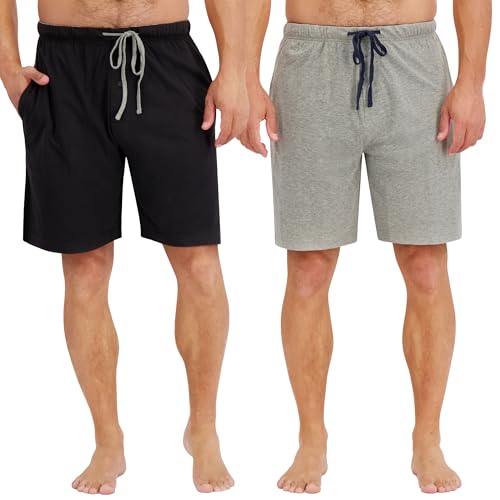
Hanes Cotton Pajama Shorts 2-Pack, 7.5 Inch
The listed 7.5-inch inseam makes these easier to compare for coverage than shorts described only as loose or lightweight.
Check on AmazonThe details / Sleepwear guidance
A private movement check before wearing pajamas around others.
A pair that feels ideal under bedding may behave differently on a shared sofa or during a hallway walk. Check the openings, fabric and moving hem together, then decide whether the shorts or an easy cover-up suit the setting.
As an Amazon Associate I earn from qualifying purchases.
The listed 7.5-inch inseam makes these easier to compare for coverage than shorts described only as loose or lightweight.
Check on Amazon
Cotton seersucker, Bermuda styling and two pairs are explicit.
Check on AmazonSharing an apartment with close friends, staying in a guest room and walking to a mailbox are different situations. Begin with the actual route and activity: bedroom to bathroom, sofa to kitchen or doorway to outside. Then decide what coverage feels appropriate to you and any stated expectations in that setting. A garment sold as sleepwear does not carry one universal rule for every shared space.
The useful question is whether this particular pair remains suitable through the movements you expect. Standing still in front of a mirror answers only part of it. Sitting on a low sofa, reaching for a mug and taking a step up can change the position of the hem, pockets and fly. You can check these movements privately before relying on the shorts around other people.
Keep this as a clothing decision, without guessing another person’s comfort or turning a personal preference into a dress code. If the accommodation has explicit requirements, use those. If you are staying with someone whose expectations are unclear, a simple conversation or an easy outer layer can resolve the uncertainty more effectively than interpreting a product name.
Try the outfit privately along the kind of route you expect: get out of bed, sit on a low chair, reach upward and walk with anything you normally carry. Notice the complete outfit rather than judging a standing photograph. If the shorts need repeated adjustment, choose another pair or keep a cover-up by the bedroom door.
Use a focused check for the feature that concerns you: fabric show-through in relevant lighting, a front opening that gaps, seated leg coverage, or pockets that pull the garment out of position. Those checks answer different questions; a longer hem cannot close a fly or establish opacity.
Then repeat the route with the top or cover-up you intend to use. A robe that stays closed while walking may need a different adjustment when you reach, and a top that overlaps while standing may lift when seated. Choose the combination that lets you use the shared room without monitoring every movement.
An opaque fabric can still have an open fly or a leg opening that reveals more than you intend. A long pair can still be more transparent than you want. Checking only one of those properties leaves the other unresolved. Treat fabric opacity, openings and garment position as three separate observations rather than assuming that more length fixes everything.
Color and pattern are also imperfect shortcuts. Dark fabric may look more concealing in a photograph, yet the actual knit or weave, fit and lighting still matter. A busy print may disguise outlines without closing a fly. The appropriate decision comes from the complete garment in use, not from assigning every dark or printed pair the same coverage score.
If you wear another layer beneath the shorts, include it in the private check you intend to use. Do not assume it automatically solves every coverage issue. It may change the outline or how the shorts sit, and a moving leg opening remains a feature of the shorts themselves. Choose the combination you find comfortable without requiring anyone else to follow it.
The Hanes men’s pajama shorts listing states a 7.5-inch inseam, drawstring and pockets in its title. The Latuza seersucker Bermuda pajama shorts listing identifies a longer named silhouette. Those details help identify candidates, but neither title proves opacity or seated coverage. Compare options in the sleep shorts collections, or inspect the exact Latuza Amazon listing for the selected variant.
A numeric inseam is especially useful when compared with a garment you already know, but it is not a complete coverage measurement. Rise, hem width and how the shorts sit at the waist can change the result. If the candidate supplies only a model photograph, record the missing dimension instead of estimating your own coverage from the model’s pose.
Imagine your guest room opens onto a hallway leading to a shared bathroom and kitchen. You like a short, loose pair in bed and want to wear it for the walk to the bathroom. In your private check, the fabric looks sufficiently opaque to you, but the leg opening gives more exposure than you prefer when you sit on the edge of a chair.
You have at least two straightforward choices. Keep the shorts for bed and place a robe by the door, or choose a pair whose seated coverage you prefer for the whole evening. The first option preserves a familiar sleeping outfit. The second reduces the number of clothing changes. Neither depends on deciding that sleep shorts as a category are acceptable or unacceptable in shared accommodation.
Now add a quick kitchen visit carrying a mug. If the robe works well while walking but its belt requires frequent adjustment when you reach, try a different cover-up or use the second pair. The useful solution is the one that stays comfortable through the actual activity, not merely the one that appears adequate while you stand still.
Before the visit, set out the combination together. Having the outer layer where you need it is part of the plan. A robe buried at the bottom of luggage is easy to skip during a brief hallway trip, while one beside the bed makes the preferred choice simple.
“Just outside” can mean a private patio or a walk through a communal building and along a public path. Think through the route rather than relying on the short duration. You may bend to collect a parcel, climb a step or wait longer than expected. If those movements are outside what you have checked, put on the outer garment you normally use for that setting.
Avoid loading sleep-short pockets merely because the trip is brief. If carrying a phone and keys noticeably changes the shorts’ position, another pocketed layer or a separate way to carry them may be more convenient. This is a fit and handling choice, not evidence that the pajama shorts are defective.
A dedicated cover-up can be an ordinary pair of shorts or pants you already wear outside, provided you find the combination comfortable. It does not need to match the pajamas. Decide in advance whether you prefer to layer over the sleep shorts or change bottoms, then keep the chosen item accessible.
You may be comfortable with one pair around a partner and choose another around overnight guests. That is a normal context change, not a contradiction. The same garment can have a useful role in your wardrobe even when you do not want to wear it everywhere. Avoid forcing a single pair to satisfy sleeping, lounging and outside errands if doing so creates constant adjustments.
The most useful final check is whether you can move normally without monitoring the garment. If you keep pulling the hem down, holding the fly closed or planning every seated angle, choose a different combination for the shared activity. You should be able to focus on what you are doing, with the coverage decision already made.
That depends on the setting, any agreed expectations and the coverage you prefer. Check the actual garment during ordinary movement rather than relying on its sleepwear label.
No. Rise, hem width, opacity and openings also affect the result. A seated check gives information that an inseam number alone cannot provide.
Keep a comfortable cover-up beside your bed or door if you prefer more coverage outside the bedroom. Try the complete combination beforehand so it is easy to use.
Choose a pair or layered combination that keeps the coverage you want through ordinary movement. A private check and an accessible cover-up are more useful than a universal rule about wearing pajamas outside the bedroom.
As an Amazon Associate I earn from qualifying purchases.
The listed 7.5-inch inseam makes these easier to compare for coverage than shorts described only as loose or lightweight.
Check on AmazonCotton seersucker, Bermuda styling and two pairs are explicit.
Check on AmazonThe details
Compare the fabric in the light and tension it will actually encounter.
The details
An opening, a closure and a decorative front are three different details.
The details
A long inseam and a roomy opening solve different problems.