Hanes
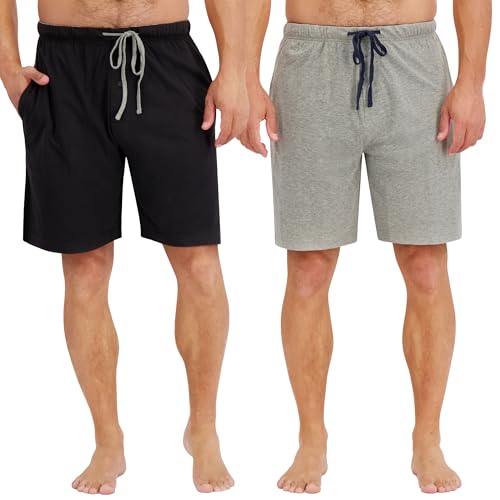
Hanes Cotton Pajama Shorts 2-Pack, 7.5 Inch
The listed 7.5-inch inseam makes these easier to compare for coverage than shorts described only as loose or lightweight.
Check on AmazonThe details / Sleepwear guidance
A larger pack is useful only when its extra pairs are useful.
Three pairs for one total can look compelling until one color stays unworn or the selected option turns out to contain a top and shorts. Compare what you will actually receive and use before dividing the price.
As an Amazon Associate I earn from qualifying purchases.
The listed 7.5-inch inseam makes these easier to compare for coverage than shorts described only as loose or lightweight.
Check on Amazon
Cotton and a three-pair quantity are explicit in this women's pajama-bottom listing.
Check on Amazon
A drawstring and pockets give this cotton-labeled multipack a practical everyday brief.
Check on AmazonA two-piece pajama set commonly means a top and a bottom. A two-pack of shorts means two pairs if that is what the selected offer actually includes. These phrases are easy to skim past, particularly when a photograph shows several garments together. Start by writing the contents in ordinary terms: two shorts, one shirt plus one short, or an assortment whose quantity is not yet clear.
The selected variant matters. A product page can show several colors, pack sizes or related styles, while the title or gallery remains broad. Confirm the chosen option and what arrives in that package. If the quantity is contradictory, do not calculate a cost per pair using the most generous interpretation. Resolve the discrepancy or leave the comparison unfinished.
Next count how many pairs you expect to use. A three-pack with two colors you like and one you will leave in the drawer is not equivalent to three equally useful pairs. This is not an argument against variety. It is a way to make the denominator reflect your actual purchase rather than the largest number printed in the advertisement.
Nominal cost per pair divides the actual payable pack total by the confirmed number of shorts. Cost per usable pair divides that same total by the number you reasonably expect to wear. Use the total you will really pay after any applicable discounts and unavoidable charges, calculated on a consistent basis across the options. Do not mix a pretax figure for one pack with a delivered total for another.
These are purchase calculations, not forecasts of long-term value. They do not estimate lifespan or claim how many washes a garment will survive. You can use them before purchase with an expected usable count, then revisit the count after inspecting the delivered pack. Keep the expectation honest: a pair with an uncertain fit is not yet a guaranteed useful addition.
For the arithmetic below, the dollar amounts are invented teaching figures, not current prices for any linked product. They show why a larger pack can look cheaper under one calculation and more expensive under another.
| Hypothetical option | Pack total | Confirmed pairs | Pairs you expect to wear | Nominal per pair | Per usable pair |
|---|---|---|---|---|---|
| Pack A | $30 | 3 | 2 | $10 | $15 |
| Pack B | $24 | 2 | 2 | $12 | $12 |
| Pack C | $36 | 4 | 3 | $9 | $12 |
Pack A has a lower nominal cost per pair than B, yet B has the lower cost for the pairs you actually expect to use. Pack C ties B on usable-pair arithmetic while putting another unused garment in the drawer. If you do not need the extra usable pair from C, B may still be the more convenient purchase. Arithmetic clarifies one part of the decision; it does not force you to buy the largest quantity.
Write a short definition of a useful pair for your wardrobe. It might require an acceptable fit, a color you will wear, the coverage you prefer and care that fits your routine. If pockets are essential to how you lounge, include them. If a particular waistband shape repeatedly bothers you, do not count another example of it as useful just because it comes free in a bundle.
The definition should be specific enough to stop a bargain from changing your requirements after the fact. For example: “I want shorts I will wear with either of my two usual sleep tops, and I need the selected size to work while seated.” That is more useful than “anything comfortable,” which makes it easy to justify a pack you are unlikely to use consistently.
Do not treat uncertain composition or care as proof that a pair is unusable. Mark the detail as unresolved and ask whether it matters to your decision. If you require a particular drying method and the instructions are unavailable, that uncertainty deserves resolution before purchase. If you have no strong preference about a minor print variation, it may not affect the useful count at all.
The Hanes men’s pajama shorts listing names a two-pack, while the PNAEONG cotton pajama shorts listing names a three-pack in the selected title. They serve different shoppers and shapes, so the counts alone do not make them substitutes. Use the sleep shorts collections to narrow the fit you want first, then compare compatible pack choices. The exact PNAEONG listing on Amazon is the place to confirm its selected option and payable offer.
The Andrew Scott catalog also includes listings titled “Multi Packs,” wording that does not establish a particular number by itself. A plural phrase is not a denominator. If a pack count is missing from the selected option, ask for it. This small check prevents an apparently precise calculation from resting on an assumption.
When two packs use different colors or materials, compare pair by pair. A heather color and a solid color can have different labels even within a familiar range. The same brand name does not guarantee identical construction throughout an assortment. Use the actual garment labels when the pack arrives rather than treating the first pair as a specification sheet for all the others.
Read the conditions attached to the selected seller and offer before purchasing. Look for the deadline, required item condition and whether the complete pack must be returned together. Do not assume you can keep two pairs and send one back. If the pack is treated as one item, a single unsuitable pair can require a decision about the whole purchase.
This matters especially when you are trying an unfamiliar cut. A large assortment may be less convenient to assess than a smaller purchase if the fit is uncertain and the return process is cumbersome. That does not create a universal rule to buy singles first; it simply adds a real condition to the comparison.
Check the garments in the way the seller permits before removing tags, washing or otherwise changing their condition. If you discover inconsistent contents or a defect, document what arrived and contact the seller using the order information. Avoid altering one pair to rescue the pack before you understand the available remedy.
Suppose two adults want to share a four-pack in the same size. Both should first agree that the cut and selected size suit them. Then allocate the colors each actually wants. A plan to split two and two may produce only three useful pairs if one person dislikes a particular color or finds the hem shape unsuitable.
Use the expected combined useful count for the arithmetic, but also consider who will handle a return if either person finds a problem. If the entire pack must be returned, separating it immediately can complicate that process. Keep the contents and order details together until both have made their permitted inspection.
A shared purchase works best when it satisfies two existing needs. It is less convincing when one person accepts unwanted shorts mainly to make the numbers appear favorable. The useful-pair calculation should record the plan as it is, including pairs nobody intends to wear.
Lay the pairs side by side and confirm quantity, size labels and the selected assortment. Compare visible features such as pocket layout, drawstring style and hem shape. A difference may be intentional, but it should agree with what you purchased. Take a moment to read each care label before combining the pack into your usual laundry.
If the pairs are intended to be identical in fit, a simple flat comparison can reveal an obvious mismatch that merits a closer look. Avoid stretching them to force the outlines to match. Record the discrepancy and ask the seller about the exact item instead of assuming that every difference is normal or that one pair establishes the size of all the others.
The decision to keep the pack should combine the calculation with this inspection. A favorable purchase total does not compensate for shorts you will not use, and a slightly higher nominal figure may be reasonable when every pair fills a real place in your rotation. Value begins with useful contents, not with the pack number alone.
No. The total, fit, useful colors and number you actually need determine the comparison. A lower nominal cost per pair can become a higher cost per usable pair.
That depends on the selected seller and offer. Read the applicable conditions; do not assume partial returns are available when the pack is sold as one item.
State the package contents clearly. A top-and-shorts set contains one pair of shorts, but its total also buys a top, so compare it with equivalent outfits or acknowledge that difference.
Count useful shorts, use the real payable total and inspect the conditions attached to the selected pack. Choose the quantity that fills your wardrobe without relying on unwanted extras to make the arithmetic look better.
As an Amazon Associate I earn from qualifying purchases.
The listed 7.5-inch inseam makes these easier to compare for coverage than shorts described only as loose or lightweight.
Check on AmazonCotton and a three-pair quantity are explicit in this women's pajama-bottom listing.
Check on AmazonA drawstring and pockets give this cotton-labeled multipack a practical everyday brief.
Check on AmazonThe details
A coordinated set works best when both pieces fit the same purchase decision.
The details
A practical drawer calculation that starts with your real laundry cycle and what you already wear.
The details
When a product page disagrees with itself, preserve the exact offer and isolate the field that matters.
The details
Hanes names its inseam explicitly; Amazon Essentials’ 7-inch title needs a measurement and size check before a half-inch comparison.
The details
A concise comparison of two Latuza Bermuda offers, with the known purchase differences kept separate from unresolved specifications.
The details
Two Fruit of the Loom listings compared by the purchase choices their descriptions actually support.
The details
A packing plan built around usable laundry time.